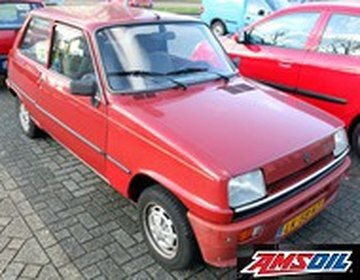
Maintaining Lubrication Standards for the 1982 Renault LE CAR 1.4L
Proper engine care for a vehicle of this era requires a focus on consistent monitoring and adherence to specific fluid requirements. For owners of a 1982 Renault LE CAR with the 1.4L engine, maintaining the lubrication system is a fundamental aspect of long-term mechanical health. Because older engines can exhibit different behaviors regarding fluid retention and thermal management compared to modern vehicles, a proactive approach to inspection and oil selection is highly beneficial.Monitoring Fluid Integrity and Potential Seepage
A primary component of routine maintenance involves regular visual inspections of the engine area. For an engine from 1982, it is useful to check for any signs of fluid seepage or leakage around various sealing surfaces. While some level of very light residue can be expected in older engines, active leaks should be investigated promptly. When performing these checks, look for:- Dampness or staining on the exterior of the engine block or near mating surfaces.
- Evidence of fluid accumulation in the lower areas of the engine compartment.
- Any discoloration on the ground beneath where the vehicle is parked.
Observing Changes in Lubricant Behavior
Beyond visible leaks, owners should remain attentive to how the engine operates during daily use. While symptoms can have multiple causes, certain observations can serve as indicators that the lubrication system requires attention. For example, if you notice an increase in lubricant consumption between service intervals, it is important to monitor this closely. Changes in mechanical noise can also be associated with the condition of the engine oil. If the engine sounds different than usual during startup or while idling, it may be worth inspecting the fluid level and quality. Additionally, any unexpected exhaust smoke should be investigated, as it can sometimes be related to how the engine is managing its internal fluids. Always remember that a single symptom does not provide a definitive diagnosis; rather, it serves as a prompt for more thorough inspection or professional diagnostic testing.Prioritizing Maintenance Based on Current Condition
As vehicles age, the most effective way to manage maintenance is to prioritize tasks based on the actual, current condition of the machine rather than relying solely on the age of the vehicle. For a 1982 Renault LE CAR, this means establishing a baseline of what is currently functioning correctly and what may be showing signs of wear. If you do not have a complete service history for the 1.4L engine, your first priority should be to establish a maintenance baseline. This involves performing a comprehensive inspection of all fluids, filters, and accessible components. Once this baseline is set, you can better distinguish between necessary preventive maintenance and parts that may still have significant service life remaining. If active leaks or unusual warning signs are present, these should be addressed before focusing on other non-essential maintenance tasks. Keeping detailed records of every oil change, filter replacement, and observed fluid level helps in identifying patterns over time, which is invaluable for making informed decisions about the vehicle's long-term care.Managing Aging Components and Materials
Maintaining an older engine involves a careful eye for aging materials. While it is not necessary to replace components simply because they are decades old, certain items should be monitored more frequently. If equipped, inspect accessible drive belts for signs of deterioration such as cracking, glazing, or fraying. Similarly, if the vehicle is equipped with various hoses, check them for signs of hardening, swelling, or surface cracks. Electrical connections and wiring harnesses should also be inspected for any signs of brittleness or corrosion, as these can affect the overall reliability of engine-related sensors and systems. By focusing on condition-based maintenance—replacing items when they show actual signs of wear rather than following arbitrary age-based schedules—owners can maintain their vehicle efficiently.The Role of Oil Quality in Engine Longevity
Engine oil is much more than just a lubricant; it plays a vital role in managing the internal environment of the engine. It helps to reduce friction between moving parts and assists in heat management by carrying thermal energy away from high-temperature areas. Furthermore, high-quality lubricants are designed to help manage contaminants and prevent the buildup of deposits that can interfere with mechanical operation. For an older 1.4L engine, using a lubricant that maintains its stability under operating temperatures is essential. Some high-mileage oil formulations contain additives intended for use in aging engines, including seal-conditioning additives that may assist in maintaining the integrity of various gaskets and seals. However, the choice of oil should always be guided by the specific requirements of the application rather than general assumptions about engine age.Practical Guidance for Buying Engine Oil for your 1982 Renault LE CAR 1.4L
When it is time to replenish your engine's lubricant, accuracy in selection is paramount. To ensure the best possible care for your 1.4L engine, match the engine oil to the application-specific viscosity information already displayed on this page. Do not rely on memory or general automotive knowledge to select a grade, as the specific requirements for your vehicle are critical for proper operation. Before completing your purchase, follow these practical steps:- Verify that the product you are buying matches the exact viscosity listed in the application information provided above.
- Check the product labeling to ensure it meets the appropriate API certification standards for modern use.
- Consider whether a conventional, synthetic blend, or full synthetic formulation is most suitable based on your specific driving needs and the guidance provided in the technical specifications on this page.
- If you are managing an engine with higher mileage, you may look into high-mileage formulations that include specialized additives, provided they align with the required viscosity.